

Blepharoplasty
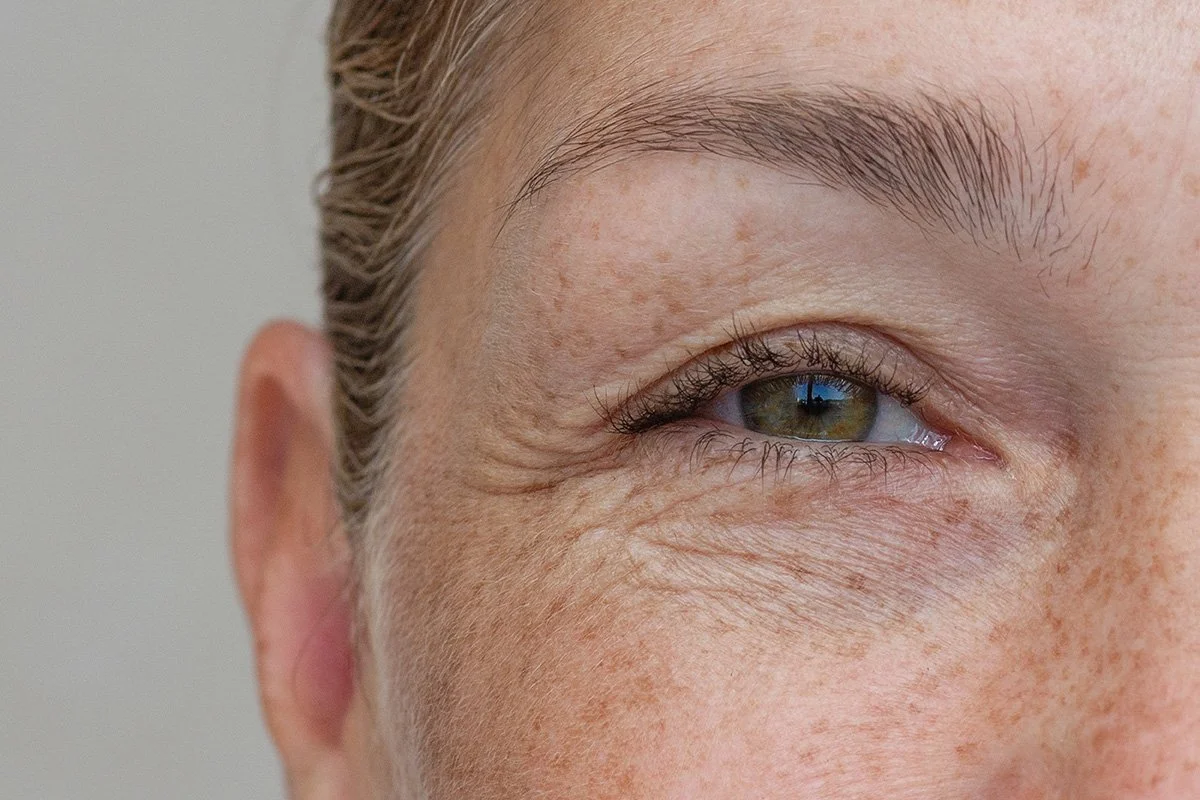
What is Blepharoplasty?
Blepharoplasty, commonly known as eyelid surgery, is a procedure that addresses excess skin, muscle, and sometimes fat around the eyes. It can be performed on the upper eyelids, lower eyelids, or both, depending on your individual concerns and anatomy.
The delicate skin around the eyes is among the first areas to show signs of aging. Upper eyelids can develop excess skin that creates a hooded appearance, sometimes becoming heavy enough to impair the outer peripheral vision. The lower eyelids may develop puffiness from protruding fat pads or loose skin that creates a tired appearance. These changes can occur due to aging, genetics, sun exposure, or lifestyle factors, and often cannot be addressed through non-surgical means.
Dr Roger Haddad's approach to blepharoplasty focuses on creating more refreshed eyelids that maintain the unique characteristics of your eyes. The goal is to address excess tissue and restore a more youthful appearance while preserving your natural eye shape and avoiding an operated or surprised look.
ABOUT THE PROCEDURE
Pre-Surgical Planning
Your consultation with Dr Haddad will involve:
Discussion of your concerns about your eyelid appearance and what you hope to achieve
Detailed examination of your eyelids, including skin quality, fat distribution, muscle tone, and the position of your eyebrows
Assessment of any dry eye symptoms
Review of your medical history, particularly any eye conditions, previous eye surgery, thyroid problems, and any blood thinning medications
Evaluation of how your facial anatomy and proportions inform the surgical approach
Photography for surgical planning
Discussion of realistic expectations for eyelid contour and scarring
The assessment considers not just the eyelids in isolation but also surrounding structures like the eyebrows, as brow position significantly affects upper eyelid appearance.
Surgical Technique
Blepharoplasty can be performed under local anaesthetic with sedation or under general anaesthetic, depending on the extent of surgery and your preference. The procedure typically takes 1-2 hours. Surgery is performed in an operating theatre at St Vincent's Private Hospital to facilitate surgical accuracy.
Upper Blepharoplasty:
An incision is made in the natural crease of the upper eyelid, where it will be concealed when the eye is open. Through this incision, excess skin is removed, and if necessary, underlying muscle is trimmed and protruding fat is reduced or repositioned. The incision is closed with fine sutures that are typically removed within a week.
The amount of skin removed is carefully calculated to ensure the eyelid can close comfortably while addressing the hooding or heaviness. Conservative removal is important to avoid complications.
Lower Blepharoplasty:
The approach to lower eyelid surgery depends on the specific concerns:
Transcutaneous approach: An incision is made just below the lower lash line, through which excess skin can be removed and fat repositioned or removed. The incision typically heals well and becomes less noticeable over time.
Transconjunctival approach: For patients with better skin elasticity who need primarily fat reduction, the incision can be made on the inside of the lower eyelid. This approach is often combined with excision of a conservative “pinch” of skin. The advantage of this approach is that the muscle of the lower eyelid is not interrupted, and so potentially less functional change.
Fat may be removed, repositioned to fill hollows, or both, depending on your anatomy. In some cases, the lower eyelid may be tightened to improve support and contour.
Combined procedures:
Upper and lower blepharoplasty are sometimes performed together for more comprehensive rejuvenation of the eye area.
Who is Blepharoplasty For?
Ideal Candidates
Blepharoplasty may be suitable for people who:
Have excess upper eyelid skin creating a hooded appearance or affecting outer vision
Have puffiness or bags under the eyes from protruding fat
Have loose or wrinkled lower eyelid skin
Appear tired or aged due to eyelid changes
Are in good general health, particularly good eye health
Have realistic expectations about surgical outcomes
Are non-smokers or willing to quit before surgery
Don't have untreated eye conditions or serious dry eye problems
Have stable thyroid function (if there's any thyroid history)
Both functional concerns (such as vision impairment from excess upper eyelid skin) and aesthetic goals are valid reasons for considering blepharoplasty.
Who May Not Be Suitable
Blepharoplasty may not be appropriate for people who:
Have certain eye conditions such as severe dry eye, glaucoma, or detached retina
Have unrealistic expectations about outcomes
Have active eye infections
Have certain medical conditions affecting healing or increasing surgical risk
Smoke and are unwilling to quit (this impairs healing, particularly around the eyes)
Have thyroid eye disease that isn't well-controlled
A thorough evaluation with Dr Haddad, and potentially consultation with an ophthalmologist if you have pre-existing eye conditions, will determine whether blepharoplasty is appropriate for you.
Your Recovery & Aftercare
Recovery from blepharoplasty is generally more comfortable than many other facial procedures, though the eye area is delicate and requires careful attention during healing.
Your Hospital Stay: Most blepharoplasty procedures are performed as day surgery, allowing you to go home the same day. You will need someone to drive you home and it is important to follow post-operative care instructions.
First 48 hours: Swelling and bruising around the eyes are normal and typically peak within the first 2-3 days. Cold compresses help reduce swelling and discomfort. Your eyes may feel tight, and you might experience light sensitivity, or excessive tearing. Sleeping with your head elevated helps minimize swelling.
First week: Sutures are typically removed around day 7. Swelling and bruising begin to subside, though this varies between individuals. You should avoid strenuous activity, bending over, and heavy lifting. Most people feel comfortable returning to work after 7-14 days, particularly once sutures are removed and makeup can be worn to camouflage any residual bruising.
Weeks 2-4: Most swelling and bruising have resolved, though some subtle puffiness may persist. You can gradually resume normal activities, though vigorous exercise should wait until cleared by Dr Haddad. Incision lines will be pink or red but gradually fade.
Months 2-6: Incisions continue to mature and fade. Subtle refinement of the eyelid contour continues as residual swelling resolves. Most people feel their results look natural and are no longer obviously post-operative by 6-8 weeks.
Activity restrictions:
Avoid rubbing your eyes for several weeks
No contact lenses for 2 weeks (or as directed)
Limit screen time initially to reduce eye strain
No eye makeup for 1-2 weeks
Avoid swimming, hot tubs, and activities that could splash water in eyes for 2-3 weeks
No strenuous exercise for 2-3 weeks
Dr Haddad will provide specific guidance tailored to your procedure and recovery.
Surgical Complications & Risks
While blepharoplasty is generally well-tolerated, all surgery around the eyes carries specific risks that should be understood. Dr Haddad's conservative approach to tissue removal and careful surgical technique work to minimize these risks.
General surgical risks
Bleeding or haematoma
Infection
Adverse reactions to anaesthesia
Scarring (though eyelid scars typically heal very well)
Risks specific to Blepharoplasty
Dry eyes: Temporary dry eye symptoms are common and usually resolve within weeks. Pre-existing dry eye may worsen temporarily or, rarely, permanently. Artificial tears and lubricating ointments help manage this.
Difficulty closing eyes: If too much skin is removed from the upper eyelid, you may have difficulty fully closing your eyes (lagophthalmos). This is rare when surgery is performed conservatively but can require additional intervention if it occurs.
Lower eyelid malposition: The lower eyelid can be pulled down slightly (ectropion) or turn inward (entropion) after surgery. This may resolve on its own with time and massage, but occasionally requires surgical correction.
Visible scarring: While eyelid scars typically heal very well and become barely noticeable, individual healing varies. Scars may remain slightly pink or visible, particularly in the early months.
Asymmetry: Perfect symmetry is difficult to achieve, and some differences between the two eyes may persist. Pre-existing asymmetry may be improved but is rarely completely corrected.
Vision changes: Temporary blurred vision is not uncommon. Serious vision problems are rare but could include bleeding behind the eye (and subsequent blindness) or injury to eye structures.
Undercorrection or overcorrection: Too little or too much tissue removal can affect the final result. Revision surgery may be considered once healing is complete if adjustment is needed.
Altered sensation: Temporary numbness or tingling around the eyelids is common and usually resolves.
Conjunctival irritation: The white part of the eye may appear bloodshot or irritated temporarily.
Eyelid hollowing: Excessive fat removal can create a hollow or sunken appearance, which can be difficult to correct.
Frequently Asked Questions
Will blepharoplasty remove my wrinkles?
Blepharoplasty addresses excess skin, fat, and muscle around the eyelids but doesn't remove fine lines or crow's feet. These are caused by muscle movement and sun damage rather than excess tissue. Additional treatments like botulinum toxin or laser resurfacing may be discussed if lines are a concern.
What will the scars look like?
Upper eyelid scars are placed in the natural crease and typically become very inconspicuous once healed. Lower eyelid scars, when external incisions are used, sit below the lash line and also heal well. Scars are initially pink or red but settle over months. The thin skin around the eyes generally scars quite favourably compared to other areas of the body.
How long do results last?
Blepharoplasty provides long-lasting improvement, and the tissue removed is permanently gone. However, the aging process continues, and your eyelids will continue to change over time. Most people enjoy their results for many years, though some may eventually desire revision or additional procedures.
Will my insurance cover blepharoplasty?
Upper blepharoplasty may be partially covered by Medicare or private health insurance if excess upper eyelid skin is impairing your vision and meets specific criteria. Visual field testing may be required to document the impairment. Lower blepharoplasty is almost always considered cosmetic and is not covered. Dr Haddad's team can discuss potential coverage and fees. Out of pocket costs will depend on extent of surgery, complexity and time involved.
Can blepharoplasty fix drooping eyebrows?
No, blepharoplasty addresses the eyelids only. If your eyebrows have descended with age, removing upper eyelid skin alone may not achieve your desired result and could potentially worsen brow drooping. In some cases, a brow lift may be more appropriate or can be combined with blepharoplasty. This will be assessed during your consultation.
When can I wear makeup after surgery?
You can typically resume eye makeup once sutures are removed, usually around 10-14 days post-surgery. Many people use makeup to camouflage any residual bruising during the later stages of recovery.
When can I wear contact lenses again?
Contact lenses should be avoided for around 2 weeks after surgery, or as directed by Dr Haddad. Your eyes may be too dry or sensitive for contacts during the initial healing period. Bring glasses to wear instead during early recovery.
Will I look dramatically different?
The goal of blepharoplasty is to create a more refreshed appearance rather than a dramatically different look. Most people notice they look more rested while still looking like themselves. Family and friends often comment that you look well-rested rather than recognizing that you've had surgery.
Can I have blepharoplasty if I have dry eyes?
Mild dry eye doesn't necessarily preclude blepharoplasty, but it's important to discuss this with Dr Haddad. Severe dry eye may worsen after surgery, and you may need to optimize your eye health before proceeding. An ophthalmology consultation might be recommended in these cases.
How soon can I exercise after surgery?
Light walking is fine immediately, but you should avoid bending over, heavy lifting, and strenuous exercise for 2-3 weeks. Activities that increase blood pressure to the head can worsen swelling and bruising. Swimming and activities that could splash water in your eyes should wait until wounds are fully healed.

NEXT STEPS
Request a Consultation
If excess eyelid skin or under-eye puffiness is making you look tired or affecting your vision, blepharoplasty may help restore a more refreshed appearance. Dr Haddad's careful approach to eyelid surgery strives for results that look natural while addressing your specific concerns.
During your consultation, Dr Haddad will assess your eyelid anatomy, discuss the surgical approach most appropriate for you, and explain what you can realistically expect from the procedure. He'll answer your questions about the surgery, recovery, and outcomes, helping you make an informed decision about whether blepharoplasty is right for you.