

Scar Minimisation Techniques in Skin Cancer Surgery
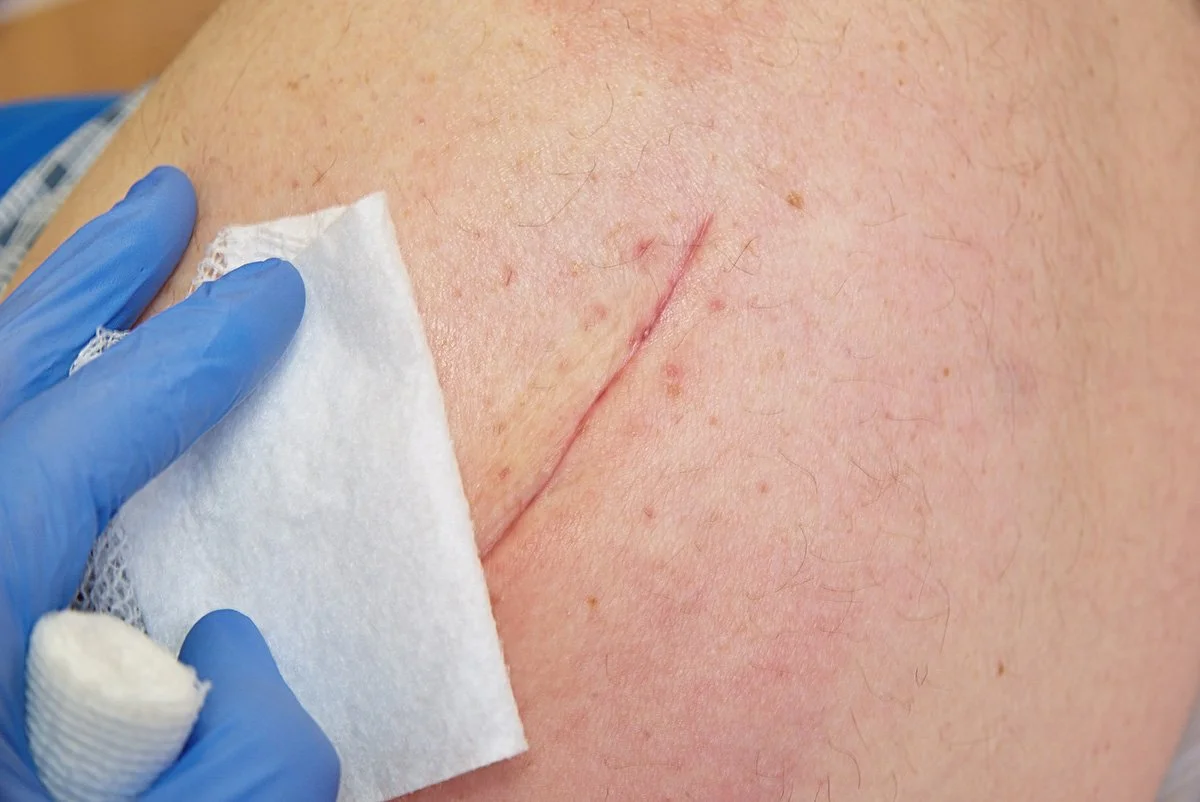
Facial skin cancer surgery can impact quality of life when scarring and contours are suboptimal. Dr Roger Haddad's plastic surgical approach to skin cancer treatment addresses both priorities, combining oncological thoroughness with techniques specifically designed to minimize scarring and preserve natural contours.
All surgical procedures result in scars, and skin cancer surgery is no exception. However, the techniques used during excision and reconstruction can dramatically influence how noticeable those scars become. Understanding how plastic surgery principles apply to skin cancer treatment helps set realistic expectations while appreciating the difference a specialized approach can make.
Pre-Surgical Planning for Optimal Scarring
Lesion Assessment and Margin Planning
Before making any incision, Dr Haddad carefully evaluates:
The size, depth, and type of skin cancer
The required excision margins for complete removal
The location and its proximity to important structures (eyes, nose, mouth, ears)
The natural lines and contours of the surrounding area
The skin's elasticity and quality
How the defect can best be reconstructed
This assessment allows strategic planning of incision lines that will both achieve clear margins and create scars that heal as inconspicuously as possible.
Strategic Incision and flap design
Following relaxed skin tension lines (RSTLs): The skin has natural lines of tension that correspond to how it folds and moves. Incisions placed along these lines heal with finer, less noticeable scars than those that cross them. When possible, excisions are designed as ellipses oriented along RSTLs.
Utilizing natural boundaries: On the face, placing incisions along the borders of facial subunits (such as the junction between nose and cheek, or along the jawline) helps camouflage scars within natural transitions.
Incorporating facial creases: Using existing smile lines, forehead furrows, or other natural creases to hide portions of the scar makes them less visible.
Considering functional anatomy: Around mobile areas like the eyes and mouth, incision placement must balance scar camouflage with avoiding tension that could distort these structures.
Flap design and orientation to reduce pin-cushioning: Pufiness can be an issue with local flaps and grafts related to swelling and scar contracture. It is important to be aware of this issue, and to apply design principles and surgical techniques to minimise this issue.
Surgical Techniques for Scar Minimisation
Deckled skin incisions:
This involves serpiginous skin incisions using a very fine and sharp ophthalmic knife, performing incisions in a gentle wavy pattern. This allows more camouflaged scars especially on the face. The scars are less sharp and better apposition of the deeper skin layers is achieved through “interdigitation” of the deckled skin edges. Dr Haddad was very fortunate to learn this technique from Dr Russell Aldred, a pioneer of this approach, and preeminent plastic surgeon at St Vincent's Hospital. Dr Aldred also described flange and groove and dermal split techniques. These measures help with over-correction of skin repair to minimise noticable inversion of scars.
Minimising tissue injury
Gentle tissue handling
Reducing injury to the skin and tissues helps minimise the body’s inflammatory response to surgery and hence scarring.
Limiting thermal injury
Electrocautery is often used for tissue dissection with surgery and for control of bleeding vessels. Reducing settings to limit thermal injury may help reduce inflammation and subsequent scar response.
Meticulous Closure Techniques
The closure method significantly impacts the final scar appearance. Unlike simple side-to-side closure that may create tension and distortion, plastic surgical reconstruction employs sophisticated techniques:
Layered closure: Rather than simply pulling skin edges together at the surface, reconstruction involves:
Deep sutures that bring underlying tissues together and eliminate dead space
Intermediate layer sutures that take tension off the skin surface
Fine surface sutures or tissue adhesives that precisely align skin edges with minimal tension
This layered approach distributes forces through the tissue rather than concentrating them at the skin surface, preventing scar widening and maintaining natural contours..
Fine suture materials: Using very fine sutures, particularly on the face, minimizes suture track marks and allows precise edge approximation.
Use of nondissolving sutures: These stitches need to be removed but are very inert, and produce a minimal inflammatory response which minimises redness and optimise scarring
Early suture removal: reduces cross-hatch marks from external sutures
Silicone dressings to stabilise repairs: This helps reduce movement and provide external wound support to facilitate healing in the early post-operative period.
Factors Affecting Scar Outcomes in Skin Cancer Surgery
Cancer-Related Factors
Tumor size and depth: Larger or deeper cancers require more extensive excision, resulting in bigger defects and potentially more noticeable reconstruction. Complete cancer removal always takes priority over cosmetic considerations.
Location: Skin cancers in areas with limited tissue mobility (like the lower leg) or high tension (like the back) may heal with wider scars than those in areas with more tissue laxity.
Margin requirements: Different skin cancer types require different margin widths. Melanomas often require wider margins than basal cell carcinomas, affecting the ultimate scar size.
Recurrent cancers: Treating recurrent skin cancer in previously operated areas can be more challenging, as tissue has already been compromised and blood supply may be affected.
Patient-Specific Factors
Skin type and color: Fair skin may show redness in scars for longer periods, while darker skin tones are more prone to hyperpigmentation or darkening of scars. Individual healing characteristics vary significantly.
Age: Younger skin tends to produce more robust scarring responses, while older, sun-damaged skin may be thinner and more fragile, affecting healing.
Sun damage: Skin with significant sun damage may have compromised healing capacity and is more prone to complications.
Medical conditions: Diabetes, autoimmune conditions, poor circulation, and other health issues can affect wound healing and scar quality.
Smoking: Smoking severely compromises blood flow to healing tissues, dramatically increasing complication risk and often resulting in worse scars.
Medications: Blood thinners, steroids, and certain other medications can affect healing.
Location-Specific Healing
High-tension areas: The chest, shoulders, and back are under more mechanical stress and tend to produce wider scars.
Mobile areas: Around the mouth and eyes, constant movement during healing can affect scar quality.
Thin-skinned areas: Eyelids and other areas with delicate skin often heal with very fine scars.
Sun-exposed areas: Faces and hands are constantly exposed to UV radiation, which can affect scar maturation and pigmentation.
Post-Operative Scar Care
Early Care (First 2 Weeks)
Wound protection: Keeping the surgical site clean, dry, and following specific wound care instructions helps prevent infection and complications that could compromise scarring. A period of taping for wound support is often applied.
Activity modification: Avoiding movements that place tension on healing wounds during the critical early phase reduces movement along the repair.
Suture removal timing: Facial sutures are typically removed within 5-7 days to minimize suture track marks, while sutures on the body or extremities remain longer (10-14 days) due to higher tension.
Early Scar Maturation (Weeks 2-12)
Sun protection is critical: New scars exposed to UV radiation can develop permanent hyperpigmentation (darkening) that may never fully fade. Scars should be protected with:
SPF 50+ broad-spectrum sunscreen. This may need to be reapplied every 2 hours when outdoors
Physical sun protection, like broad brimmed hat, particularly for facial scars
Avoiding peak sun hours when possible
Silicone Scar management: Silicone gel, tape or sheets have good evidence for improving scar quality. These can be started once the wound is completely healed and are typically used for several months. Dr Haddad can advise on a suitable approach depending on your specific surgical site.
Scar massage: This is an often reported as an adjunct for improving scars. Dr Haddad has found that early scar massage can rupture deep sutures and promote scar inversion. Hence this is applied selectively, and usually commenced once healing is more advanced.
Patience with maturation: Scars continue to fade, flatten, and soften for around 12 months. The internal sutures usually dissolve at 3-4 months, and a noticeable softening often occurs around this time.
Additional Interventions if Needed
For scars that aren't maturing well, additional treatments may be considered:
Laser therapy: Can improve scar colour, texture, and vascularity in select cases
Steroid injections: Help flatten raised or thickened scars
Scar revision: Surgical improvement of scars is occasionally considered once scars have fully matured.
Setting Realistic Expectations for Skin Cancer Surgery Scars
All skin cancer surgery creates permanent scars. The goal is to make them as inconspicuous as possible through strategic planning and meticulous technique, but the scars will always be present to some degree.
Scars evolve over time. Initial scars are typically pink or red and may be slightly raised. Over 12-18 months, most scars fade to paler colours and flatten considerably. Patience during this maturation process is essential.
Location significantly affects outcomes. Facial scars, particularly when placed along natural lines and closed with plastic surgery techniques, often heal remarkably well and become quite inconspicuous. Scars on the trunk or limbs may remain more visible.
Individual variation is substantial. Two people having identical procedures may heal with noticeably different scar quality due to genetics, skin type, age, and other factors beyond surgical control.
The plastic surgical difference: While all skin cancer surgery creates scars, the techniques used during excision and reconstruction significantly influence the final appearance. A plastic surgeon's approach to tissue handling, closure, and reconstruction typically results in superior aesthetic outcomes compared to simpler excision methods.
When Additional Reconstruction is Needed
Some skin cancers require extensive tissue removal that cannot be adequately reconstructed with local techniques. In these cases:
Staged procedures: Complex reconstruction may be performed in stages, allowing tissues to heal and settle between procedures.
Regional or distant flaps: Tissue may be borrowed from other body areas to reconstruct significant defects.
Dr Haddad will discuss the reconstruction plan appropriate for your specific situation during consultation, including what to expect regarding scarring and healing.
NEXT STEPS
Request a Consultation
Early treatment of skin cancer usually offers the best outcomes, both for clearance and aesthetic outcome. If you've been diagnosed with a skin cancer, Dr Haddad can provide expert care that combines cancer treatment with attention to the cosmetic result.