

Hand Surgery
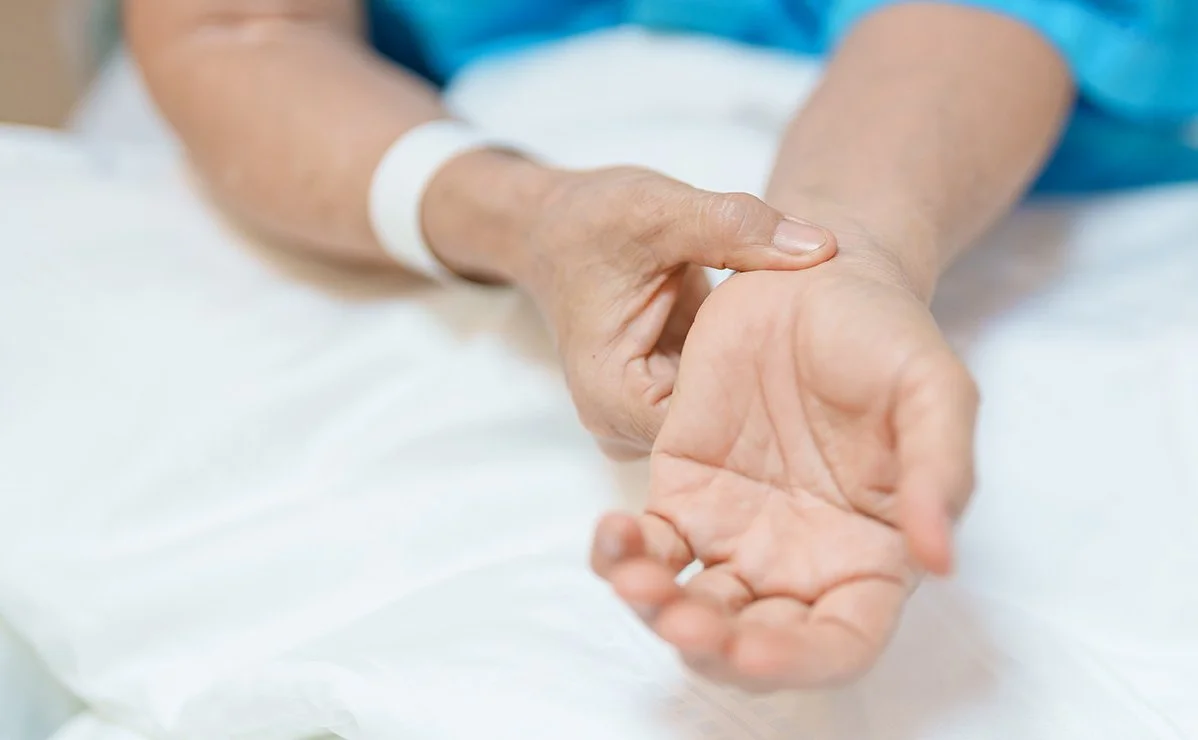
What is Plastic Surgery of the Hand?
The hand is one of the most intricate and functionally important parts of the body. Even minor problems can significantly impact your ability to perform daily tasks, work, and maintain independence. Hand conditions can cause pain, loss of function, deformity, or a combination of these issues, affecting quality of life in profound ways.
The goal of hand surgery is typically to restore as much function as possible while minimizing pain. Treatment approaches range from conservative management to surgical intervention, depending on the specific condition and its severity.
Dr Haddad regularly operated on hands during his surgical training and also in consultant practice at Royal Prince Alfred Hospital. His Masters research focussed on refinements in flexor tendon surgery. He has since narrowed the scope of hand conditions that he treats to selected soft tissue cases.
Who Should Consider Hand Surgery?
A consultation with Dr Haddad will help determine whether surgical intervention is likely to improve your situation or whether continued conservative management is more appropriate.
Hand conditions treated by Dr Haddad
Dupuytren's Contracture
Dupuytren's contracture is a progressive condition where thickened tissue forms beneath the skin of the palm and fingers, creating cords that gradually pull the fingers into a bent position. The condition most commonly affects the ring and little fingers and can make it difficult to straighten the fingers fully, interfering with gripping objects and performing daily tasks.
The exact cause isn't fully understood, though genetic factors, age, gender (more common in men), and certain medical conditions may contribute. Treatment is typically considered when the contracture begins to significantly affect hand function.
Treatment approaches may include:
Observation in early stages when function isn't significantly impaired
Surgical removal of the thickened tissue (fasciectomy)
Needle aponeurotomy (breaking up the cords with a needle)
Surgery aims to restore finger extension and improve hand function, though recurrence can occur over time.
Carpal Tunnel Syndrome
Carpal tunnel syndrome results from compression of the median nerve as it passes through the carpal tunnel in the wrist. This causes numbness, tingling, and pain in the thumb, index, middle, and part of the ring finger. Symptoms often worsen at night and can progress to weakness and difficulty with fine motor tasks.
The condition may develop from repetitive hand use, pregnancy, arthritis, diabetes, thyroid problems, or sometimes without identifiable cause.
Treatment approaches may include:
Wrist splinting, particularly at night
Activity modification
Anti-inflammatory medication
Corticosteroid injections
Surgical decompression (carpal tunnel release) when conservative treatment fails or nerve compression is severe
Surgery involves releasing the transverse carpal ligament to relieve pressure on the median nerve, typically providing good symptom relief, though recovery of sensation and strength can take time.
Trigger Finger (Stenosing Tenosynovitis)
Trigger finger occurs when inflammation narrows the sheath surrounding a tendon in the finger or thumb, causing the tendon to catch or lock as it tries to glide through. This creates a triggering or snapping sensation when bending or straightening the digit, and in severe cases, the finger may become locked in a bent position.
The condition can result from repetitive gripping, certain medical conditions like diabetes or rheumatoid arthritis, or develop without clear cause.
Treatment approaches may include:
Rest and activity modification
Anti-inflammatory medication
Splinting
Corticosteroid injection into the tendon sheath
Surgical release of the constricted tendon sheath when conservative measures fail
Surgery involves releasing the tight pulley to allow the tendon to glide freely again, typically providing significant relief.
Surgery for skin cancers or masses in the hand
Skin cancers on the hand are common, especially on the back of the hand, fingers or forearms. These are usually related to sun damage. Dr Haddad’s experience in skin cancer surgery and hand surgery is well positioned to facilitate care of the issue.
Most deeper masses of the hand are benign, but occasionally can be more aggressive. A thorough examination and imaging is usually required to assess the underlying issue. These can arise in the fingers or palm, and often may require surgical excision. Protection of vital structures, especially nerves is important.
Traumatic Hand Injuries
Hand injuries from accidents, lacerations, or crushing injuries may damage tendons, nerves, blood vessels, bones, or combinations of these structures. Plastic surgery expertise is particularly valuable in complex hand trauma requiring microsurgical repair of small structures.
Treatment depends entirely on the nature and extent of injury but may involve:
Tendon repair or reconstruction
Nerve repair or grafting
Fracture fixation
Soft tissue reconstruction
Skin grafting or flap coverage for wounds
Recovery from Hand Surgery
Hand surgery recovery often requires more time than patients anticipate, as the structures of the hand are delicate and healing must be balanced against the need to prevent stiffness.
Recovery varies significantly depending on the specific procedure:
Minor procedures (such as trigger finger release or carpal tunnel release) typically involve:
A bulky dressing for the first few days
Gradual return to light activities over 1-2 weeks
Return to full activities over several weeks
Hand therapy may be recommended to optimize recovery
More extensive procedures (such as Dupuytren's surgery or complex reconstruction) may involve:
Splinting or casting for a period of time
Several weeks of restricted use
Hand therapy to restore movement and strength
Gradual return to full activity over 2-3 months
Common aspects of recovery:
Keeping the hand elevated to reduce swelling
Following activity restrictions to protect healing tissues
Attending hand therapy sessions if recommended
Protecting the hand from injury during healing
Patience with the gradual return of function
Potential Complications from Hand Surgery
Risks vary depending on the specific procedure but may include:
General surgical risks
Infection
Bleeding or haematoma
Scarring
Adverse reactions to anaesthesia
Risks specific to Hand surgery
Stiffness or reduced range of motion
Nerve injury causing altered sensation or, rarely, loss of sensation
Tendon adhesions affecting movement
Complex regional pain syndrome (uncommon)
Recurrence of the original condition (particularly with Dupuytren's contracture, nerve decompression or some masses)
Incomplete relief of symptoms
Need for hand therapy or additional procedures
The hand is complex, and complete restoration of normal anatomy and function isn't always possible, particularly after significant injury or in advanced disease.

NEXT STEPS
Request a Consultation
If a hand condition is affecting your function, causing pain, or limiting your daily activities, evaluation by a specialist can help clarify your options. Dr Haddad's expertise in plastic and reconstructive surgery of the hand ensures assessment and treatment tailored to your individual needs.
A referral is required to secure an appointment.
During your consultation, Dr Haddad will assess your hand condition, discuss both surgical and non-surgical treatment options, and help you understand what to expect from treatment. He'll answer your questions about the recommended approach, recovery, and realistic outcomes, enabling you to make an informed decision about your hand care.